

Updated: Mar 25
How do you negotiate a used car price with a private seller? In 2026, the "lowball" tactic is dead. Successful negotiation with private sellers now relies on evidence-based offers. Unlike a dealership, where you are fighting a professional closer, a private seller is usually just a regular person who wants a fair price and a fast, hassle-free transaction.
If you can prove you have the funds ready and show that your offer is based on market data, you are 90% of the way to a deal.
1. Do Your "Digital Homework"
Before you even meet the seller, you should know the "Fair Market Value" (FMV) of the car. Use tools like RedBook, Carsales, or even Gemini to compare similar listings in your area.
- Look for "Lingerers": If an ad has been up for more than 14 days, the seller is likely getting tired of "Is this available?" messages and may be more open to a deal.
- The "Risk Buffer": In 2026, private sales carry a slight price premium if the service history is perfect. If the logbook is missing a service, that is an immediate $500–$1,000 negotiation point.
2. Understanding the "Lien" (The Seller's Hidden Stress)
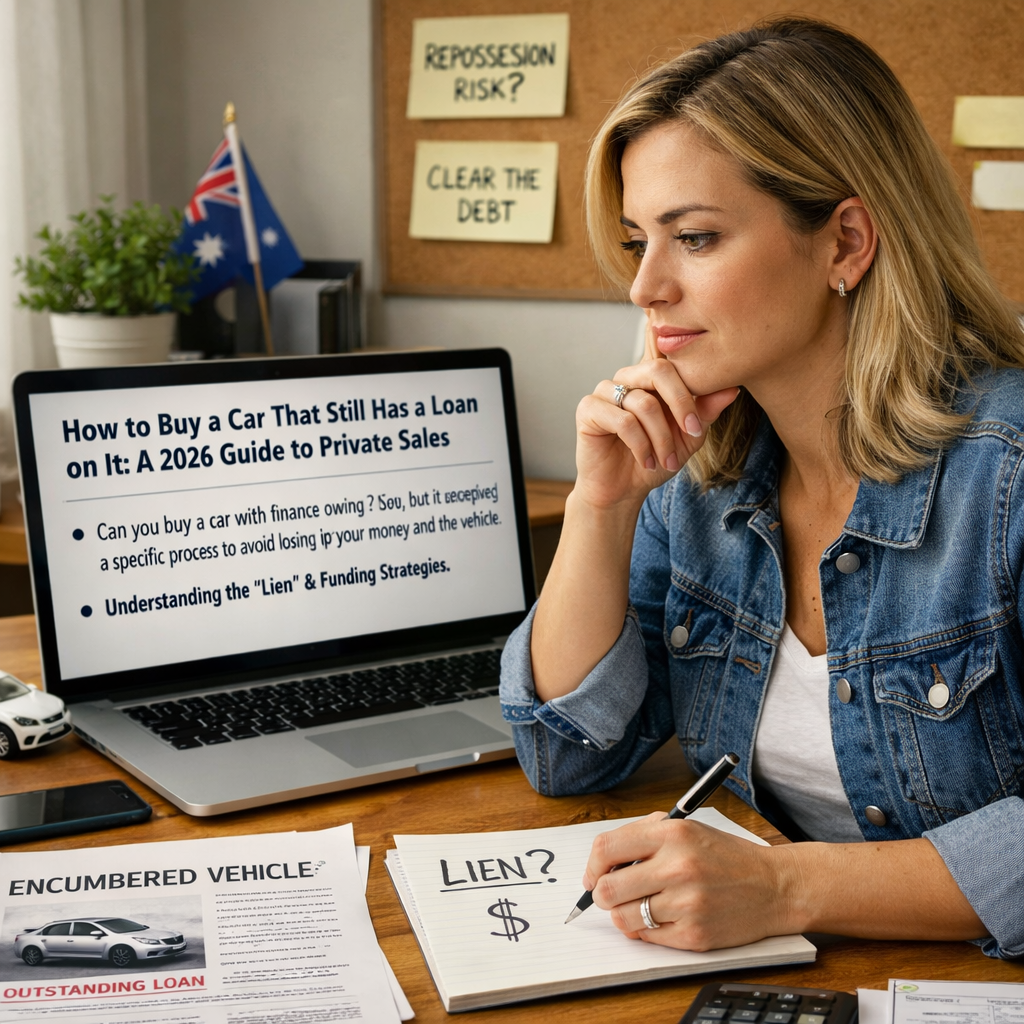
During negotiations, you might discover the car has a Lien. A lien is a legal claim that a bank or lender has over the vehicle because the seller hasn't finished paying off their original loan.
In Australia, this is officially recorded on the PPSR (Personal Property Securities Register) as a "security interest." If a lien exists, the seller technically doesn't have a "clear title" to give you until that debt is paid.
Why a Lien gives you negotiating power:
Many private sellers are stressed about selling a car that still has money owing. They are often worried that buyers will be scared away by the paperwork. If you come prepared with a car loan already funded into your account, you can offer to pay their lender directly. This "problem-solving" approach often allows you to negotiate a lower price because you are making a complex situation simple for the seller.3. Leverage the "Cash Buyer" Status
The strongest word in a private negotiation isn't "discount"—it's "today."
Private sellers fear "tyre kickers" who waste their time or buyers whose finance falls through at the last minute. When you use Harmoney, the money is already in your account, allowing you to bypass the "subject to finance" delay that most banks require.
The Power Script:
"I really like the car. Based on the fact that the tyres will need replacing soon, I can offer you $18,500. I have my funds cleared in my account right now, so I can do a real-time transfer and take the car today. Would that work for you?"
By mentioning that your car loan is already funded, you remove the seller's biggest fear (uncertainty) and replace it with an immediate solution (cash).
4. Focus on "Evidence," Not "Insults"
Avoid calling the car "overpriced." Instead, point to specific, objective costs you’ve discovered during the inspection:
-
Worn Tyres: -$600 to -$1,200.
-
Upcoming Major Service (e.g., Timing Belt): -$800 to -$1,500.
-
Body Scratches: Use these to justify a "round down" (e.g., from $15,300 to $14,500).
5. Be Prepared to Walk Away
The person most likely to get a great deal is the person who is prepared to say "no." If the seller won't budge on an unrealistic price, leave your name and number.
-
The "Follow-Up" Win: Often, a seller will call you back 48 hours later once they realize no one else is offering "ready-to-go" funds.
Get Your Negotiation "War Chest" Ready
The best way to negotiate with confidence is to have the money ready to move. With Harmoney, you can get a quote in as little as 9 minutes and have the funds in your account before the weekend's inspections.
Get Your Funding Sorted Before You Negotiate